
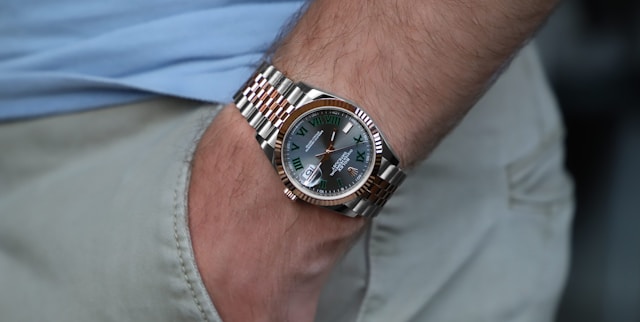
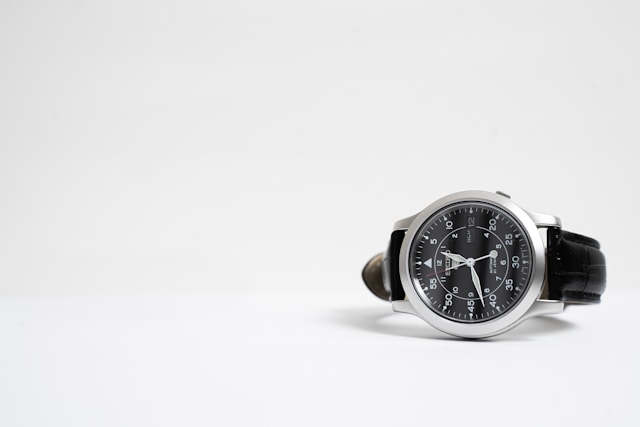
In a marked turnaround for the luxury horology market, prices for second-hand high-end watches rose steadily throughout 2025 and reached their highest levels in more than two years, driven by renewed demand for classic and dress models even as broader economic headwinds persist.
According to a Bloomberg analysis of the Subdial Watch Index, a benchmark that tracks the 50 most-traded luxury timepieces by transaction value, the secondary market posted a solid overall gain in 2025. The index, which measures actual sales rather than asking prices, rose by about 8 per cent over the year, a notable recovery after several years of volatility.
Prices slipped slightly in late 2025 but rebounded during the holiday season, a pattern analysts say reflects seasonal buying behaviour and persistent collector interest. By the end of the year, the index had climbed to levels not seen since late 2023, signaling renewed confidence among buyers for certain segments of the pre-owned market.
A SHIFT FROM PANDEMIC SUPPLY PRESSURE
The performance of the second-hand market stands in stark contrast to the mid-pandemic surge, when heavy demand and limited primary supply propelled prices to unsustainable peaks. At that time, certain steel sports watches — particularly from brands like Rolex and Patek Philippe — changed hands for many multiples of their recommended retail prices.
In subsequent years, prices declined and market activity slowed as investors and speculators retreated. Many second-hand values for highly coveted references softened significantly from their 2022 highs. Analysts at the time interpreted this as a normalisation from pandemic-era distortions rather than a structural collapse.
A comprehensive industry study by the consulting firm Deloitte supports this view. Its “Swiss Watch Industry Insights 2024” report noted that the second-hand segment had stabilised by late 2024 after roughly two years of adjustment. While prices declined around 16 per cent from their peak, they remained significantly above pre-pandemic levels and outpaced growth in the primary new watch market.
Deloitte also highlighted the transformational role of online platforms, which have helped expand consumer access to pre-owned inventory and increased overall market transparency. The firm’s consumer surveys found that interest in pre-owned watches had doubled since 2020, particularly among younger buyers — a trend that contributed materially to price support in 2025.
MARKET STRUCTURE AND DEMAND DYNAMICS
Industry insiders describe the secondary watch market as maturing from a hype-driven bubble into a more nuanced marketplace shaped by genuine collector demand rather than pure speculation. According to Chrono24’s own analysis tools — which compile millions of verified sales — collectors now show heightened interest in mid-range luxury brands and neo-vintage models, even as stalwarts like Rolex maintain robust overall sales volume.
The Chrono24 Secondary Market Report for the first half of 2025 noted that a significant portion of total transaction volume remained concentrated among traditional icons. For example, Rolex continued to account for more than a third of all secondary market spending, a testament to the brand’s enduring appeal.
At the same time, the platform’s data revealed growing share of interest for other segments, including Cartier, Omega and Tudor, as collectors pursue value and diversity rather than chasing only the most hyped models. This shift reflects a broader demographic change: younger buyers, including Millennials and Gen-Z consumers, are increasingly active in the secondary market and often prioritise design, wearability and value over pure investment speculation.
LONG-TERM GROWTH FORECASTS
While short-term price movements grab headlines, industry research points to a structural expansion of the second-hand watch market over the coming decade. Global Growths Insights, a market research firm, estimated that worldwide trading volume for pre-owned watches reached US $22.84 billion in 2024, with forecasts projecting this to grow to US $24.61 billion by 2026 and beyond. The firm predicts the sector could surpass US $33 billion by 2034, driven by a mix of online platforms, certified pre-owned programmes and expanding global demand.
These projections align with Deloitte’s longer-term view, which suggests that the second-hand segment could rival the primary market in size within the next decade. Growth is expected to be propelled by factors such as greater market trust, improved authentication protocols and an increasing base of consumers viewing watches not only as luxury items but as enduring assets.
WHAT BUYERS AND SELLERS SHOULD WATCH
For buyers, the current market offers opportunities rarely seen since the pandemic peak. The stabilisation of prices and increased choice mean that classic references and under-the-radar models alike can be acquired at realistic valuations.
Sellers, meanwhile, benefit from the diversification of buyer interest. As the market moves beyond a focus on a narrow set of trophy watches, demand for broader categories suggests that well-maintained examples across brands can still command strong offers.

